
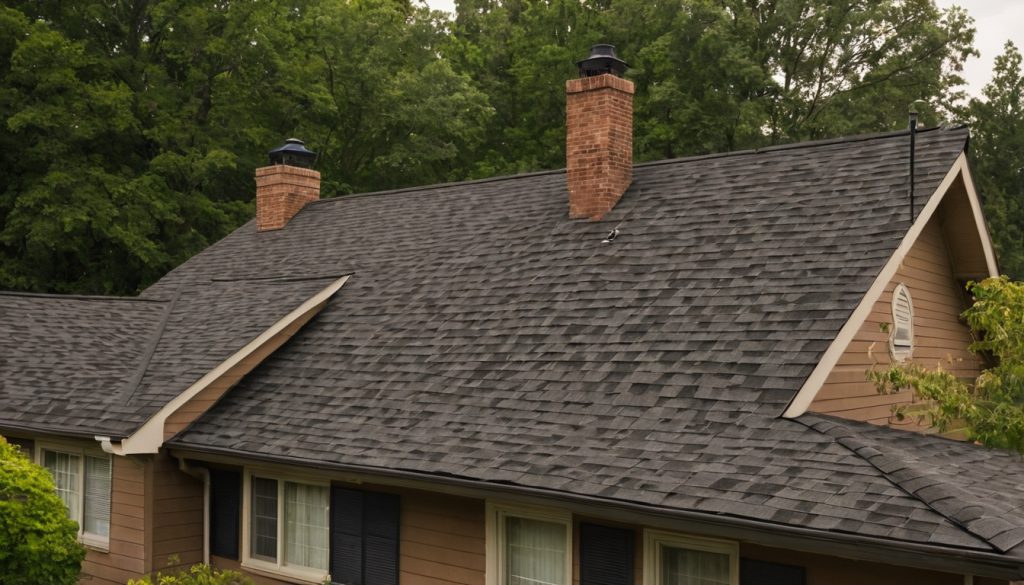
A signed roofing contract and released deposit can leave the owner paying the wrong entity if the contract, license record, insurance certificate, and payment instructions do not match. Before comparing local roofing companies, document whether the roof requires repair or replacement, then audit the contractor file against that defined scope.
For US homeowners and small property operators, choosing a contractor is a document-control decision. Reviews and sales presentations may help form a shortlist, but official records determine who holds the license, who carries the reported insurance, who performs the work, and who receives payment.
Key takeaways
Identity must match: the legal name on the contract should agree with the license, business registration, insurance certificate, permit application, and payment instructions.
A certificate is evidence, not coverage: verify insurance information independently and request policy documentation when the contract requires additional insured status.
Payments must follow performance: tie each release to completed scope, supporting records, and an approved change-order process.
Lien waivers must fit the payment stage: use conditional forms before funds clear and unconditional forms only after confirmed payment, subject to local law.
Contents
1. Initial screening; 2. Legal identity and licensing; 3. Insurance verification; 4. Crews and subcontractors; 5. Payment milestones; 6. Lien waivers; 7. The final approval file.
How should homeowners screen roofing companies near me before signing?
Homeowners should verify the contractor’s identity, required local authority, insurance evidence, crew responsibility, payment terms, and lien-release process before signing. Check the rules for the property’s state, county, and municipality, and record each verification date.
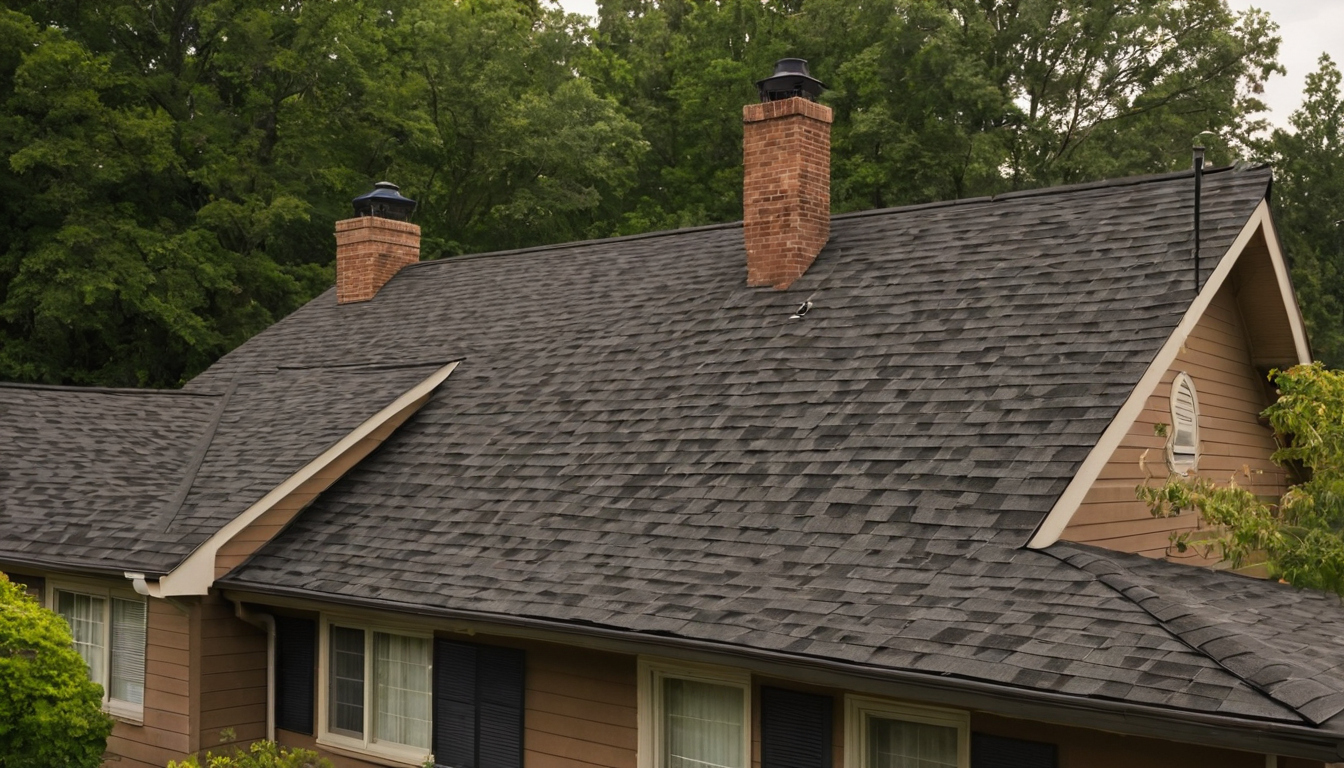
How should homeowners screen roofing companies near me before signing shown as an editorial planning reference.
A roofing contractor document audit starts with six matching records
- Contract: legal name, address, scope, and license number.
- License record: active status and correct classification where required. California owners can search the CSLB contractor license database by license number, business name, personnel name, or salesperson registration number.
- Business registration: legal entity and any trade name.
- Insurance certificate: named insured, policy dates, and insurer.
- Permit application: contractor and responsible applicant.
- Payment instructions: payee matching the contracting entity.
Pause the review if a legal name, address, license number, or payee differs. Resolve the discrepancy through official records and independently obtained contact details before signing or releasing funds.
Online reviews do not replace roofing contractor verification
Reviews may describe service quality, but they do not prove active licensing, current insurance evidence, or authority to contract. Check the roofing contractor’s legal name against the contract and license record.
The roofing contractor’s legal name and license record must match the contract
The roofing contractor named in the agreement should match the entity shown in the applicable state or local license database and business registry. Where the jurisdiction licenses the roofing work or contractor class, record the license status, classification, qualifying individual, expiration date, and disciplinary information displayed on the verification date.
What credentials does a roofer need in the property’s jurisdiction?
No national roofing license answers this question. Depending on the property location, a roofer may need a state contractor license, county or municipal registration, business license, or a combination. Confirm the requirement with the contractor board and building department governing the project address.
Search the official record by both license number and business name. Check that the listed classification covers the contracted roofing scope and review any displayed scope or monetary limits.
An active record does not establish workmanship quality. An expired, suspended, revoked, or inactive record should stop signing until the licensing authority confirms that the contractor may perform the proposed work. Manufacturer credentials and trade certifications do not replace a government-required license.
A trade name is not enough to identify the roofing contractor
The proposal may show a trade name while another legal entity holds the license and expects payment. Match the contract, business-registry record, license holder, registered address, and payment instructions. If an assumed name appears, require documentation connecting it to the responsible entity.
Do not release funds to an unexplained person or entity. Correct every identity mismatch in writing before signing. Once the legal counterparty is established, verify its insurance certificate without treating that document as a coverage guarantee.
A roofing contractor certificate of insurance is evidence to verify, not a coverage guarantee
A certificate of insurance summarizes reported policies as of its issue date, but the certificate generally does not amend the policy or guarantee payment for a loss. Before roofing work begins, confirm the named insured, policy dates, insurer, producer, relevant coverage lines, and project information through independently obtained contact details.
What should a roofing contractor certificate of insurance identify?
The named insured and address should match the legal entity in the roofing contract. Review the insurer and producer names, policy numbers, effective and expiration dates, commercial general liability entry, and workers’ compensation entry. Store policy numbers securely rather than circulating the certificate publicly.
The operations, location, or project description should identify the roofing work when the certificate includes those fields. Listed limits show what the producer reported, not whether a particular claim falls within the policy. Workers’ compensation requirements and exemptions depend on the jurisdiction and workforce arrangement, so confirm status with the responsible state agency.
Additional insured status requires policy documentation when the contract requires it
A certificate-holder entry identifies the recipient of the certificate. It does not by itself establish additional insured rights. If the roofing contract requires additional insured status, request the applicable endorsement or other policy documentation and have unclear coverage language reviewed by a licensed insurance professional or attorney.
Expired or mismatched insurance records require correction before roofing work starts
Stop the start date if the insured name differs from the contracting entity, a required coverage line is absent, or a policy expires before the planned work ends. Request a current certificate directly from the listed producer using independently obtained contact information. In California, the Department of Insurance license-status tools can verify agents, brokers, and other insurance professionals who must hold a California license. Use the corresponding regulator in another state.
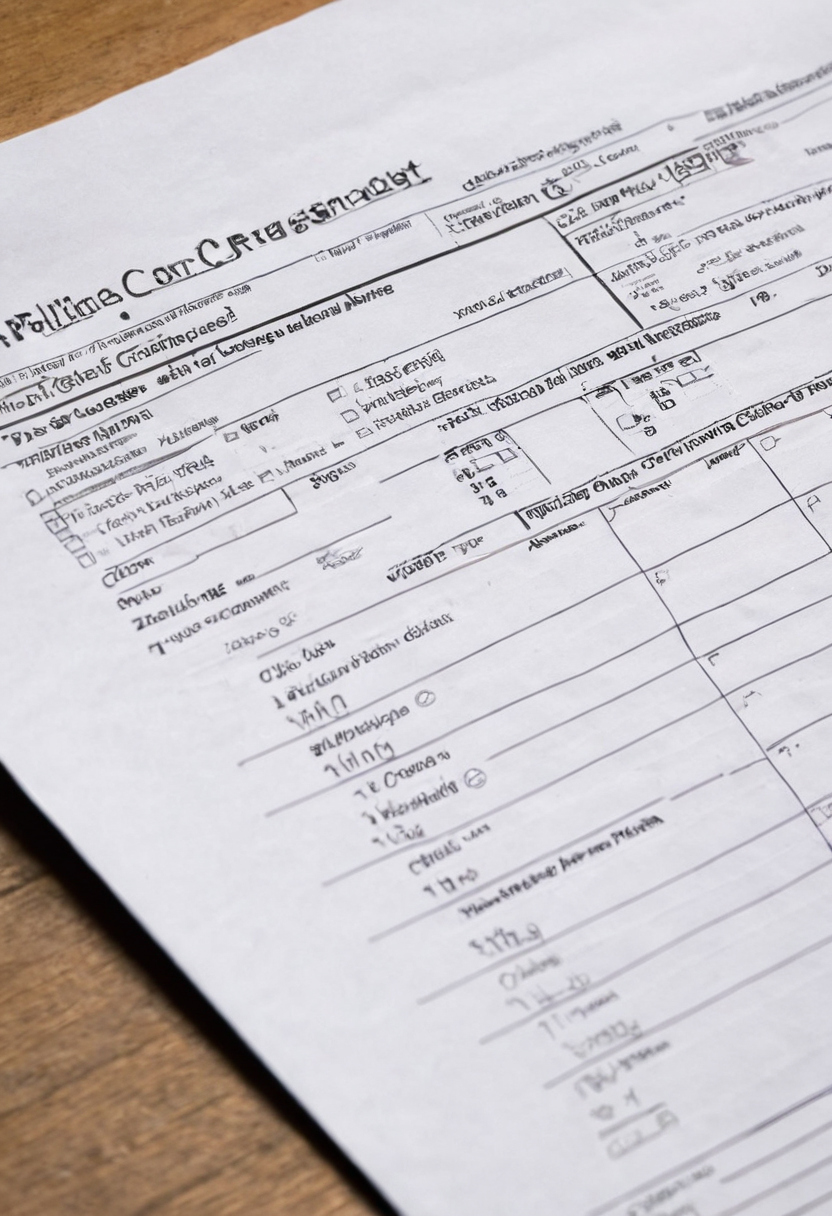
A roofing contractor certificate of insurance is evidence to verify, not a coverage guarantee shown as a professional reference scene.
A corrected certificate resolves the document discrepancy, not every coverage question. The roofing contract must also identify who supplies, supervises, and insures each crew and subcontractor.
The roofing contract must assign responsibility for crews and subcontractors
The roofing contract should state whether the contracting company will use employees, subcontractors, or both, and which party controls permits, supervision, insurance, cleanup, and payment. This matters because subcontractors and suppliers may retain lien rights under applicable state law even after the homeowner pays the prime contractor.
Roofing subcontractors should be disclosed before they enter the project
The contractor should provide each subcontractor’s legal name, trade name, address, assigned work, and license number where required. The same roster should identify known material suppliers and labor providers that may send preliminary notices or assert lien rights.

The roofing contract must assign responsibility for crews and subcontractors shown with practical context cues.
The contract should require written approval before the contractor substitutes or adds a crew. It should assign responsibility for insurance documentation, supervision, debris removal, correction of defective work, and payment of lower-tier parties. State law determines how employees, subcontractors, suppliers, and other claimants are classified.
Permit responsibility does not prove responsibility for every roofing obligation
A roofing permit identifies who applied for permission to perform regulated work under local rules. Permit issuance does not prove that the contractor has adequate insurance, has paid subcontractors, or has accepted every contractual obligation. An owner-builder permit can also shift duties to the property owner, depending on the jurisdiction.
Keep permit status, inspections, contract performance, insurance, and lien controls separate in the project file. Any conclusion about responsibility for an uninsured or unpaid subcontractor should be reviewed under the property’s state law.
Keep payment controls in the same file. The Federal Trade Commission identifies full upfront payment and cash-only demands as warning signs. Roofing payment terms should instead follow documented scope and completed milestones.
Roofing payment terms should follow documented scope and completed milestones
A roofing payment schedule should identify the deposit, measurable work milestones, approved change orders, retainage if used, and records required before each release. Deposit caps and advance-payment restrictions depend on state law and contract type. No universal percentage applies unless the governing jurisdiction supports it.
Roofing milestones must describe completed work rather than calendar dates alone
Each milestone should tie payment to observable performance, such as documented material delivery, completed dry-in, required inspection approval, substantial completion, and final closeout. The contract should state who owns delivered materials and which invoices, photographs, inspection records, or supplier confirmations support payment.
Before accepting the schedule, compare contractor bids by scope before choosing a price. Retainage, joint checks, and direct supplier confirmation require clear contract terms and must comply with governing law.
Every roofing change order must price and authorize the changed scope
A change order should identify added or deleted work, the price adjustment, schedule effect, and person authorizing it before work proceeds, except where the contract or applicable law permits genuine emergency work. Concealed decking replacement should use an agreed unit price and documented quantities rather than open-ended verbal approval.
Owners specifying metal roofing should also audit the added scope in a standing-seam roofing estimate. Once a milestone is documented, select the conditional or unconditional lien waiver matching that payment stage.
Conditional and unconditional lien waivers must match the roofing payment stage
Lien waivers should identify the correct claimant, property, customer, payment amount, covered period, and conditional status. The common labels are conditional progress, unconditional progress, conditional final, and unconditional final, but state law controls each form and its effect. Use prescribed statutory language where required.
What are the four common types of lien waivers?
A conditional progress waiver covers work through a stated date or payment application, subject to receipt of identified funds. An unconditional progress waiver acknowledges that the referenced progress payment has cleared. A conditional final waiver depends on receipt of final payment, while an unconditional final waiver confirms payment and releases the claims described in the form.
State statutes may control wording, permitted exceptions, advance waivers, notarization, electronic signatures, and form modifications. Obtain jurisdiction-specific legal review before treating any waiver as eliminating lien rights.
A conditional roofing lien waiver belongs with an unpaid or uncleared payment
A conditional waiver is appropriate while a check remains uncleared or an electronic transfer remains unconfirmed. The waiver should preserve disputed amounts, retainage, approved extras, or other exclusions when governing law permits them. Do not substitute an unconditional waiver merely because payment has been initiated.
California prescribes an unconditional waiver and release on final payment stating that the claimant has been paid in full. The statutory warning supports a direct rule: use that form only after final payment has actually been received.
Final roofing payment requires waivers from every claimant with potential lien rights
The closeout file should identify the prime contractor, disclosed subcontractors, labor providers, and material suppliers, then reconcile that roster against preliminary notices and notices of intent received under local law. Collect conditional final waivers before releasing funds and unconditional final waivers after funds clear, where lawful.
Final permit approval, warranty records, and resolved punch-list items remain separate controls. Once those records and claimant waivers reconcile, the complete contractor file can support a documented decision.
A complete roofing contractor file supports a documented go-or-no-go decision
The homeowner should not approve the roofing contract until the legal entity, licensing authority, insurance records, scope, payment schedule, subcontractor roster, and waiver process agree. A missing document may be corrected. A contradiction requires an explanation and replacement records before signing or releasing funds.
Which roofing contractor discrepancies should stop contract signing?
- Correctable omission: an undated search result, missing certificate page, or incomplete notice that the contractor promptly supplies.
- Material mismatch: the contract entity differs from the license or insurance record, the required license is inactive or has the wrong classification, or payment instructions name an unexplained person or business.
- Stop condition: the contractor refuses to identify subcontractors, demands an unconditional waiver before payment clears, withholds required notices, or pressures the owner to obtain an owner-builder permit that misstates the arrangement.
Verify records through the property jurisdiction’s contractor board, business registry, insurance regulator, and building department. Obtain lien forms and deadline guidance from the applicable legislature, court, or designated state agency. Unresolved contract or lien language warrants review by a local construction attorney.
Which roofing closeout records should be retained after final payment?
The closeout file should contain the executed contract, signed change orders, proposal, specifications, product records, warranties, permits, inspections, completion documents, invoices, cleared-payment evidence, and lien waivers. Keep dated license and insurance verification results, plus photographs of completed work and concealed conditions before those areas were covered.
Sign only when the file identifies who will perform the work, what will be delivered, how payment earns release, and which records will prove completion.
A complete roofing contractor file supports a documented go-or-no-go decision shown as an editorial planning reference.